Open Source Software: The Free Tools That Don't Suck (A Practical Guide)
Table of Contents
Reading time: 6 minutes
Ever gotten that email? You know the one. “We’re updating our pricing!” - which is corporate speak for “we’re about to charge you more for the same thing you’ve been using for years.” And you sit there, staring at your bank statement, wondering why you’re paying $75/month for software that was once a one-time purchase.
Yeah. I’ve been there too.
Here’s the thing: you actually have options. And no, I’m not about to sell you on some sketchy “lifetime deal” that’ll vanish in 6 months. I’m talking about open source software—tools that are free, forever, and actually get better over time instead of worse.
The Problem Nobody Talks About
Let’s be honest. Proprietary software has a secret weapon: the switch. Moving to a new platform costs time, money, and most of us just… don’t bother. So we stay. We pay. We watch our bills grow while the features we actually use stay exactly the same.
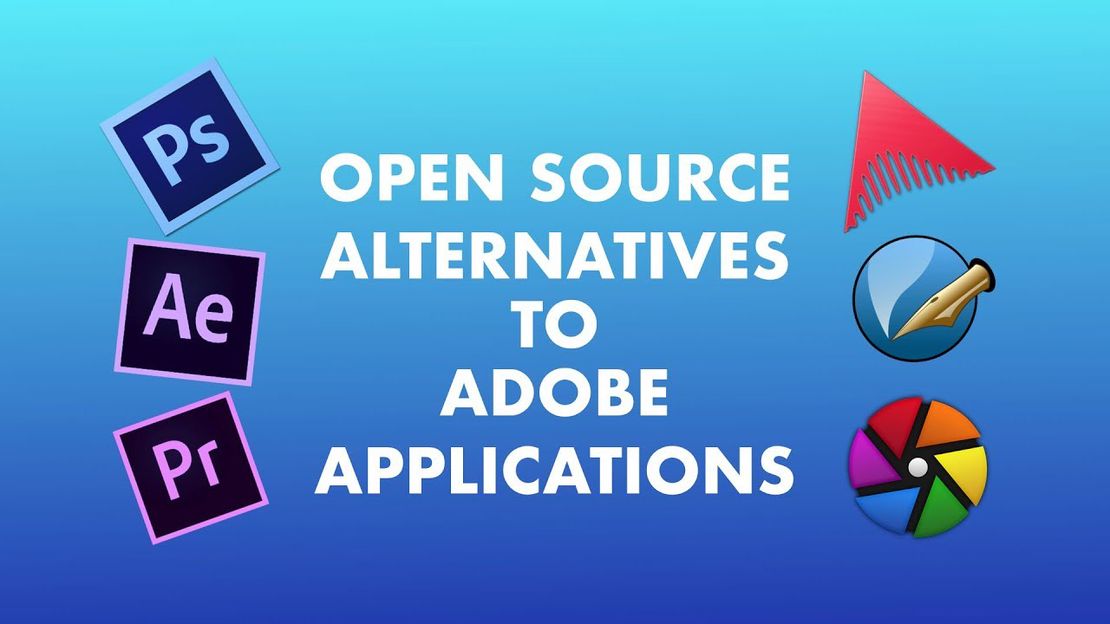
Adobe just raised their prices. Again. Microsoft 365 keeps creeping up. And don’t get me started on that one industry-specific tool you absolutely need but costs an arm and a leg.
The real kicker? You don’t own any of it. Your files, your configurations, your workflows—all living on someone else’s terms. Wake up one morning and suddenly they’re discontinuing your favorite feature. Nothing you can do but adapt or switch. And switching? That’s expensive.
The Plot Twist: There’s Another Way
But what if I told you there’s a whole parallel universe of software that:
- Costs exactly $0 (forever)
- Lets you see exactly how it works under the hood
- Won’t lock you in or randomly raise prices
- Gets better because people actually care, not because a board of directors wants more profit
That’s open source software. And it’s not just for coders in hoodies anymore.
What Open Source Actually Means (No, Really)
Okay, quick breakdown so we’re on the same page. Open source means the code is publicly available—like, anyone can look at it. This matters for a few reasons:
First, transparency. You can verify there’s no sketchy data collection happening. Second, longevity. When the company (or lone developer) behind a project moves on, the community can keep it alive. Remember when Google Reader got killed? That would never fly in the open source world—someone would just fork it.
Third, customization. Unlike that one SaaS tool that “just works” except when it doesn’t, you can actually modify open source software to fit your needs. Sure, that takes some know-how—but isn’t that better than being stuck?
Business Benefits: Where Open Source Actually Wins
Let’s talk numbers, because that’s what gets attention:
Cost: The average small business spends $20,000+ annually on software licenses. Open source alternatives can slash that significantly. WordPress powers 40% of the entire internet—it’s not just for bloggers anymore. Red Hat built a billion-dollar business providing support around open source Linux. This isn’t hobbyist stuff.
No Vendor Lock-in: With open source, your data is YOUR data. Switching isn’t painless, but at least you’re not held hostage. Your files remain accessible in standard formats. You’re not stuck waiting for a company’s roadmap to catch up to what you actually need.
Security Through Transparency: “Many eyes make all bugs shallow”—that’s the saying in open source circles. When thousands of developers can spot vulnerabilities, they tend to get fixed fast. Not perfect, sure, but often faster than proprietary software where you’re relying on one company’s security team.
Attracting Talent: Here’s one businesses don’t think about: developers actually want to work with tools they can understand and contribute to. Open source friendly companies often find it easier to hire and keep technical talent.
Personal Benefits: Why You Should Care
Even if you’re not running a business, open source matters:
Privacy: Your data stays yours. No hidden trackers, no “we improved our terms of service” surprises. Many open source apps work entirely offline.
Longevity: That app you love? Open source means it won’t just disappear when the company gets acquired or changes direction. Someone will maintain it.
Learning: Ever wanted to understand how software actually works? Open source is the ultimate educational resource. You can study the code, contribute to projects, and actually learn while you use tools.
Accessibility: Free doesn’t mean cheap. It means anyone can use professional-grade tools regardless of income.
The Proof Is Everywhere
Still skeptical? Here’s where open source already won:
- Android dominates smartphones—it’s open source
- WordPress runs 40% of websites on the internet
- Kubernetes revolutionized how companies deploy software (and it’s open source)
- VLC plays basically any video format you throw at it—for free
These aren’t experiments. They’re foundational infrastructure that powers the modern internet.
The Honest Trade-offs
I’m not gonna pretend open source is perfect. Here’s what you’re signing up for:
- Documentation quality varies wildly
- Support means community forums, not calling a hotline
- Some interfaces look like they were designed in 2003 (looking at you, GIMP 2.x)
- You might need some technical help getting started
But here’s my take: I’d rather learn something slightly harder that I actually own than keep paying for something I’m “renting” forever.
Your Move
Pick ONE area where you’re overpaying or frustrated. Just one. Maybe it’s your accounting software. Maybe it’s your design tools. Maybe it’s that note-taking app that’s trying to become a social network.
Find an open source alternative. Try it for a week. See what you’re actually getting charged for.
And if you need help finding alternatives? I’m not going anywhere. But you’ve got to start somewhere.
What’s your software subscription that makes you wince every month? Drop a comment—let’s see if there’s a better open source option out there.